We compared manufacturer specs, manuals and warranty terms. We have not hands-on tested these products yet. How we research
We may earn a commission when you buy through links on this page. As an Amazon Associate I earn from qualifying purchases. How we make money
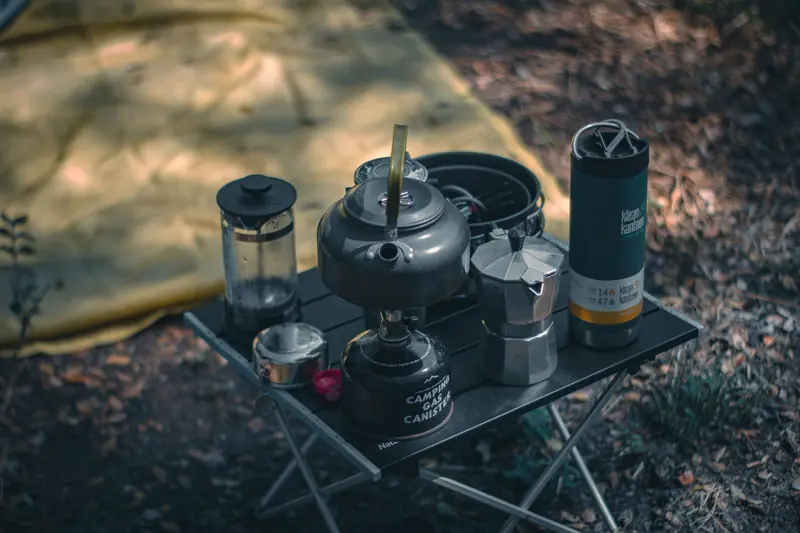
A camp stove decides what you can cook and how much work it is. For car camping, a stable two-burner stove covers most families, while a single burner suits a quick trip. This page covers the decisions that matter: burner count and output, fuel, wind protection and ignition, plus the one safety rule that applies to every stove. Stoves share the kitchen with your cooler, so plan the menu around what it keeps cold.
We compared 5 camp stoves and picked 5.
Our picks at a glance
1
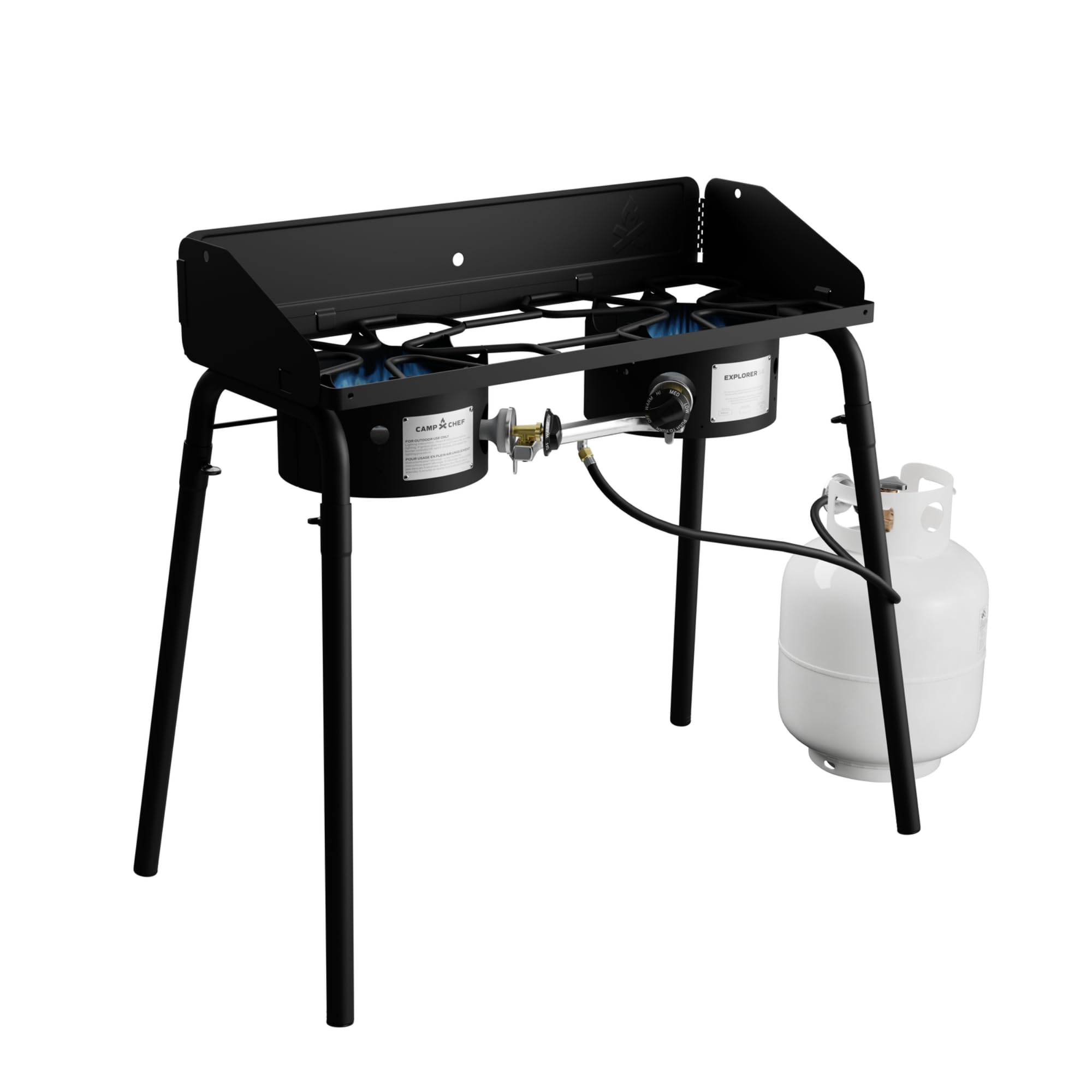
Best overallCamp Chef Everest 2XTwo 20,000 BTU burners with wind baffles, push-button ignition and real simmer control in a briefcase-style stove.
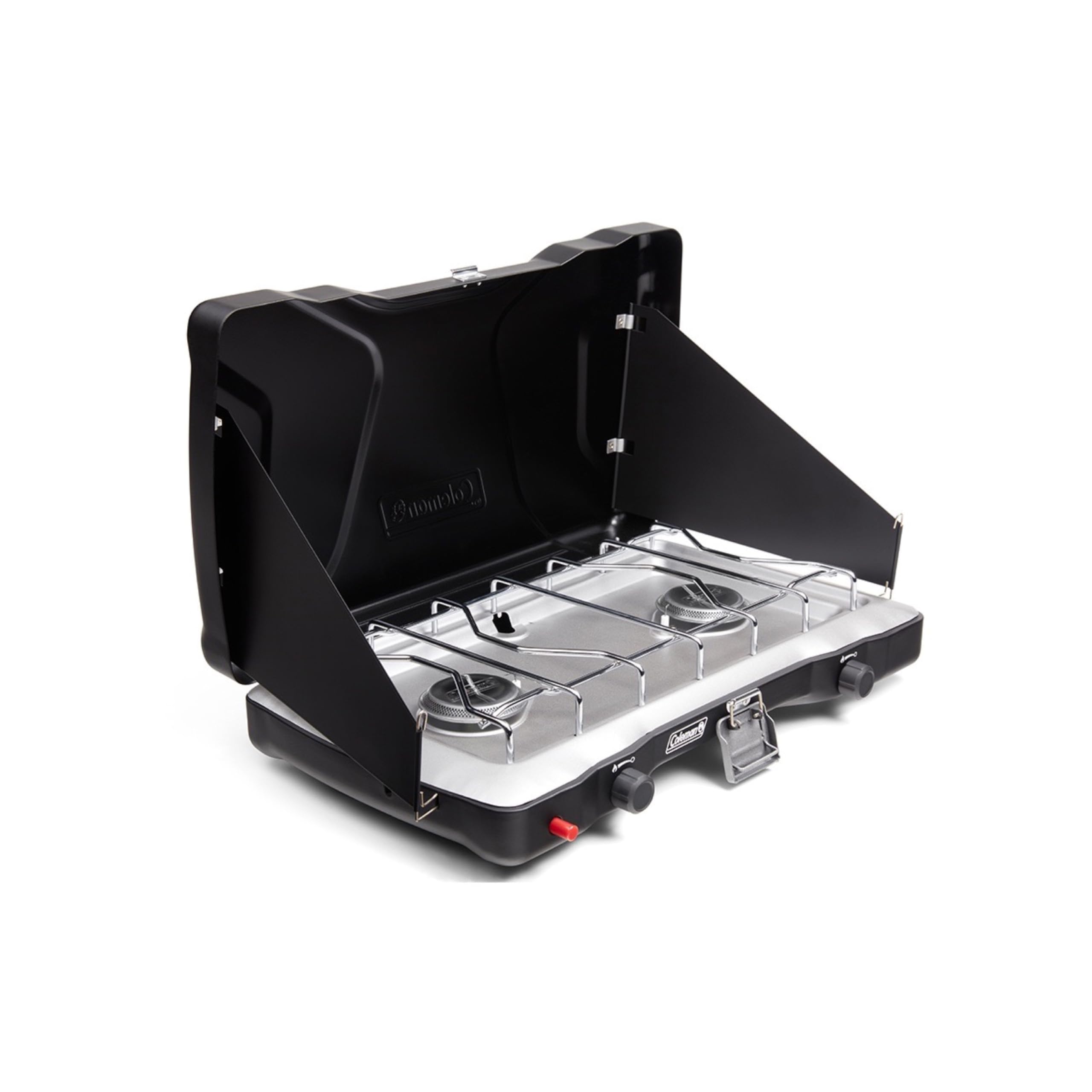
Best budgetColeman Triton+ 2-BurnerA simple two-burner with Instastart matchless ignition and wind blockers, from the brand most car campers start with.
burner count sets how many pots you can run, and BTU is a maker-stated measure of output.
Simmer control
a stove that holds a low flame lets you cook rice and sauces without scorching.
Wind protection
wind blows heat away from the pot and wastes fuel.
Fuel type and canister availability
the fuel decides where you can refill and how the stove behaves in the cold.
Ignition
push-button ignition is convenient, but it can fail, so carry a lighter or matches.
Cooking surface and stability
a wide, flat grate holds big pots steady and keeps the stove from tipping.
We compared 5 camp stoves that fit this page and picked 5.
Sources: manufacturer product pages, manuals and warranty terms, plus CDC and CPSC guidance on carbon monoxide.
Specs as listed: every value in our table comes from the manufacturer or seller listing. BTU output is maker-stated. A dash means the listing does not give that spec.
We have not hands-on tested these products. Full method
Two burners let you cook a main and a side at once. A single burner suits one-pot meals. BTU figures are maker-stated and vary by burner, so use them to compare burners within a type, and read the listing for how many the stove can run at full output at once. Match the grate width to the pots you actually bring, since two large pots will not both sit on a small grate.
Simmer control
Look for a knob that adjusts smoothly, not just high and low. Simmering is not a number we list, so read the listing's wording on flame control and look for a regulator. Check the listing for any regulator or flame control.
Wind protection
Look for built-in wind panels or a lid that doubles as a screen. Check the Wind screens column. Wind protection only works with the stove outdoors and clear of anything flammable; see our carbon monoxide guide. Read the manual before you add a separate windscreen, because the maker knows how close one may sit to the fuel.
Fuel type and canister availability
Propane is the usual car-camping fuel. Butane canisters suit some compact stoves. Our propane vs butane camp stove comparison explains the differences and what the specs say about cold-weather performance. Check the canister type in the table before you buy spare fuel, and store spares as the manual directs.
Ignition
Push-start igniters save time but can wear out or get wet. Check the Ignition column and bring a backup. NPS lists fire among the Ten Essentials (NPS), so waterproof matches or a lighter belong on the packing list. Keep the lighter or matches somewhere dry that you can reach in the dark. NPS also advises checking a park's fire regulations (NPS).
Cooking surface and stability
Compare the cooking-surface size with your largest pot or griddle. A stable base matters on uneven ground. Place the stove on a flat, level surface away from the tent. Measure your largest pot against the grate, and set the stove clear of the tent walls.
Tips for using your camp stove
Cook outside, always. CDC says never to use a portable gas camp stove indoors (CDC).
Learn the warning signs: CPSC lists headache, dizziness, weakness, nausea, vomiting, sleepiness and confusion, which are easily mistaken for a cold or flu (CPSC).
CDC counts more than 400 US deaths a year from unintentional, non-fire carbon monoxide poisoning (CDC).
FAQ
Can I use a camp stove in my tent?
Never. A portable gas camp stove is not to be used indoors, according to CDC, and CPSC warns against fuel-burning stoves, heaters and lanterns in tents and campers (CDC; CPSC).
What are the signs of carbon monoxide poisoning?
CPSC lists headache, dizziness, weakness, nausea, vomiting, sleepiness and confusion as the warning signs, and they can pass for a cold or flu (CPSC).
How common is carbon monoxide poisoning?
CDC reports that more than 400 Americans die each year from carbon monoxide poisoning that is unintentional and not fire-related (CDC).
Does altitude matter?
Yes. According to CPSC, the carbon monoxide risk is greater at high altitudes (CPSC).
The NPS Ten Essentials plus car-camping gear, sorted into a printable list.
Pine & Pitch
The Weekend Camping Checklist
Ten Essentials packed: map, sun protection, extra layer, headlamp and spare batteries, first aid, fire, repair kit, extra food, water treatment and emergency shelter.
Sleeping bag chosen by its ISO Comfort rating, not its Extreme rating.
Sleeping pad R-value checked (ASTM F3340).
Cooler thermometer reads 40°F or below, and drinks ride in a separate cooler.
pine-and-pitch.com
Get the Weekend Camping Checklist
A printable checklist covering the NPS Ten Essentials, the ratings to check on your sleep gear, safe cooler temperatures and the fire and carbon monoxide rules. No charge, and sized to hang on the fridge.